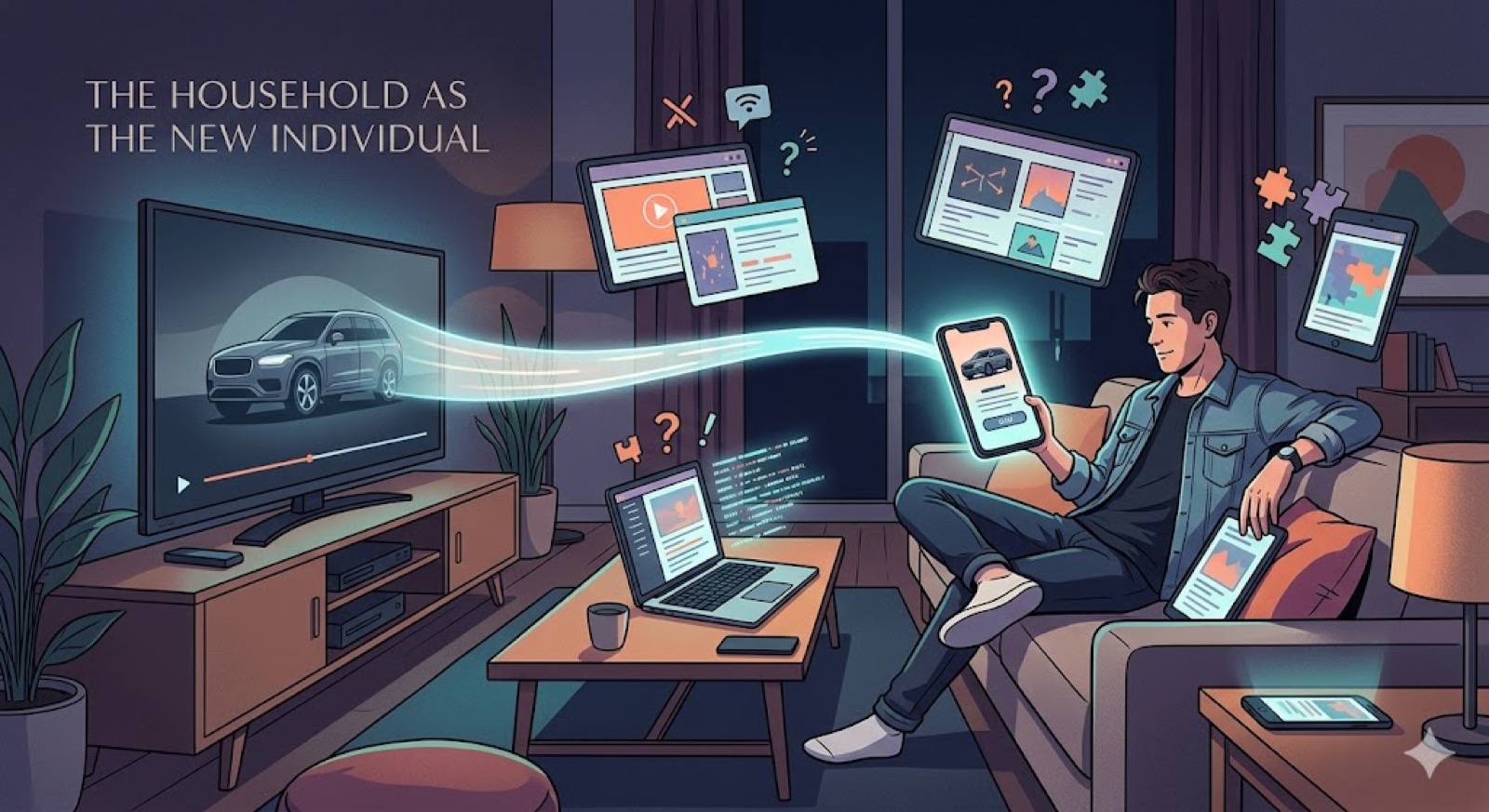
Why Your Multi-Device Strategy is Actually Just Multi-Chaos
Fragmented device buys leak budget. A coordinated approach closes the gaps.
We've all seen fragmented marketing across devices: an ad on TV that we've forgotten by the time we pick up the phone. For marketers, that is a tragedy of disconnected data. For years the industry chased individuals across the web with third-party cookies and device IDs, but those identifiers are crumbling in a privacy-first world. Targeting the same person on TV and mobile separately treats them like two strangers.
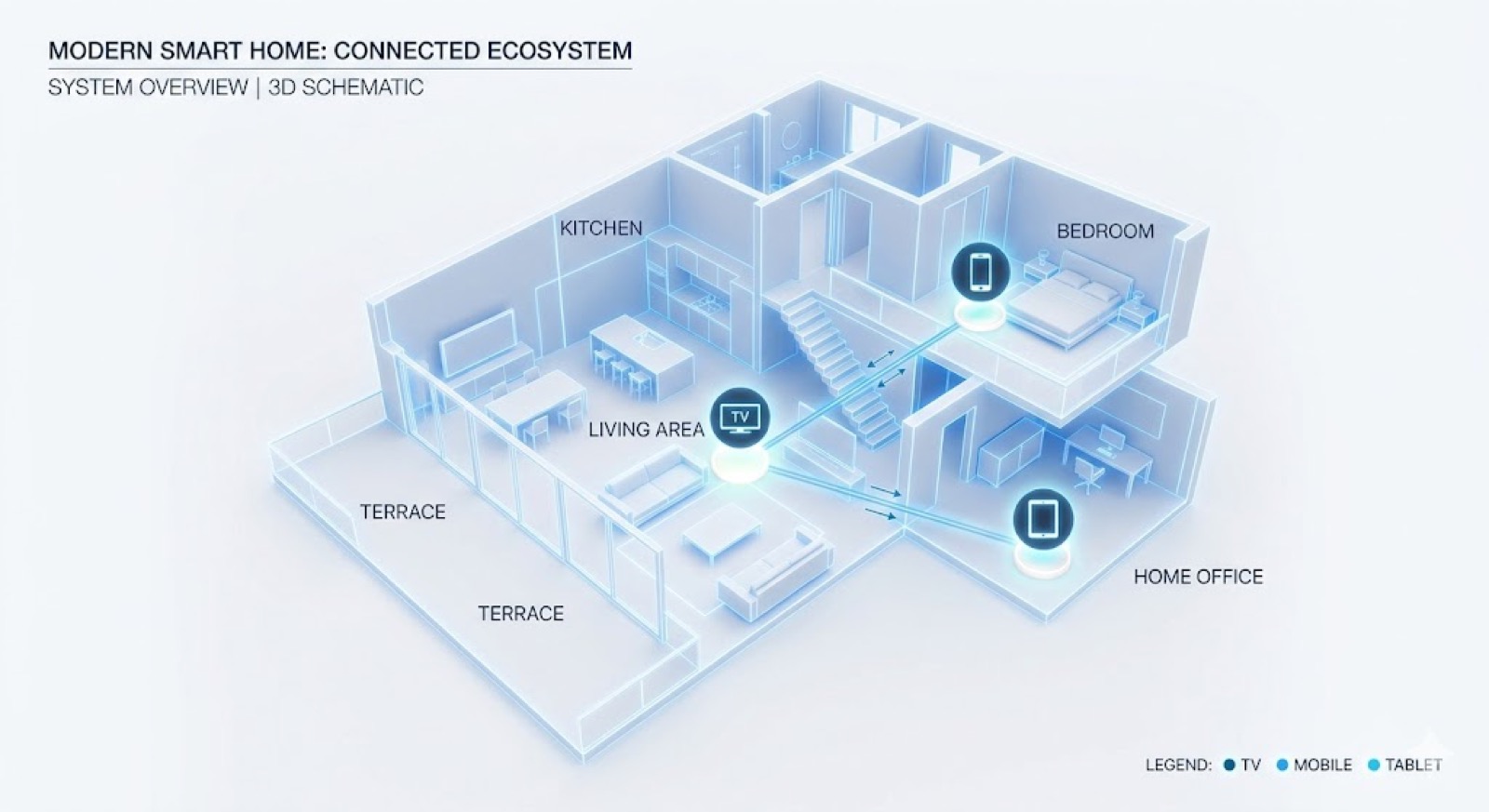
The fix isn't tracking individuals harder, it's treating the household as the unit of analysis. Identity resolution has to move beyond the single cookie toward a complete, cross-device picture, because major purchasing decisions happen in family contexts, not in isolation. Shifting to household identity moves marketers from probabilistic guessing to deterministic reality using stable signals like hashed IP addresses.
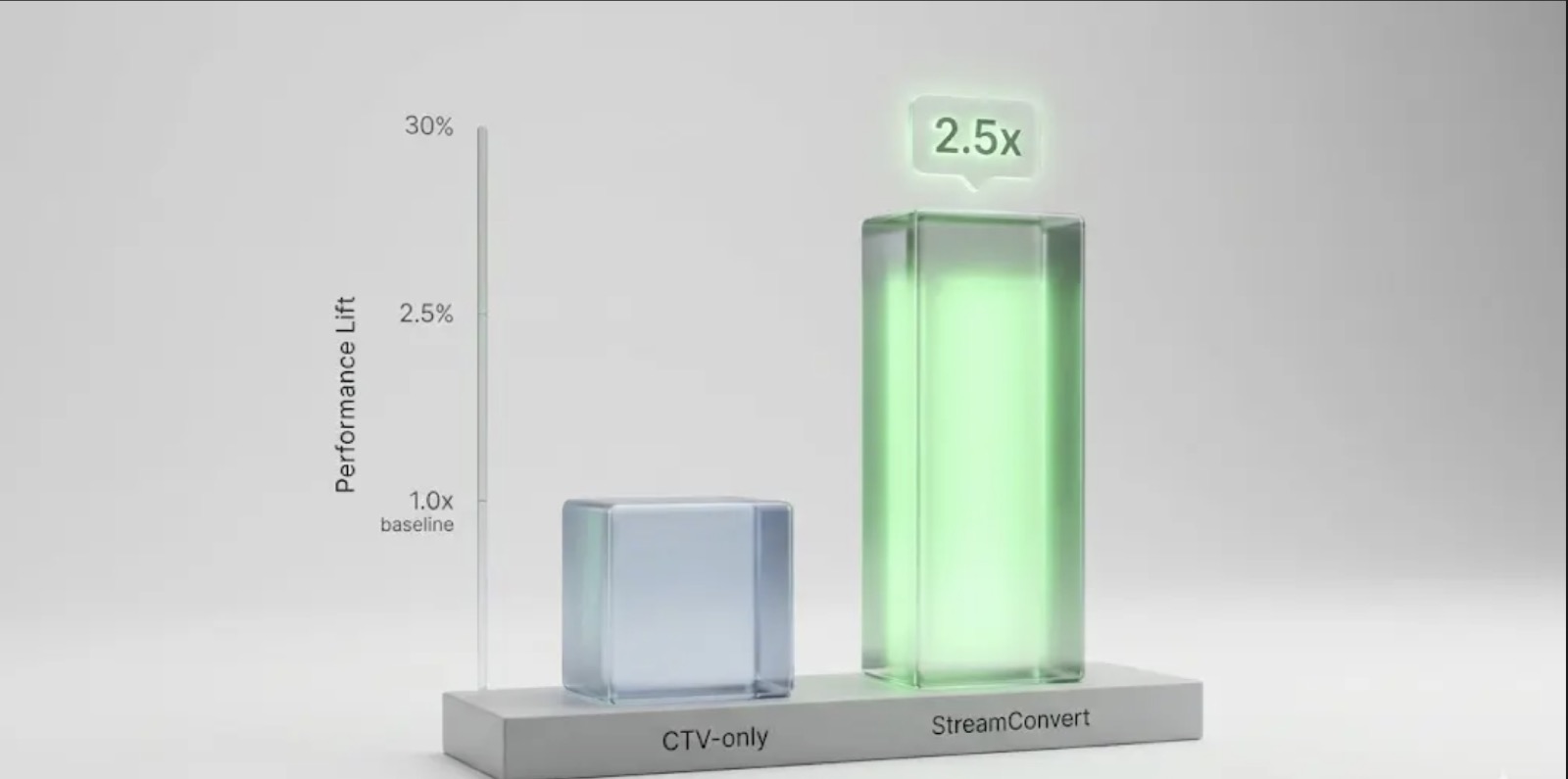
Loyal's StreamConvert orchestrates ads across the household graph, capturing residential IP from CTV impressions and recognizing other devices in the same home within 24 hours. That turns fragmented data into an advantage: brands pair big-screen exposure with mobile retargeting, move from passive recall to active engagement, and cut wasted spend on disconnected impressions.
The core insight is simple. The most important consumer decisions happen at the household level, not in the vacuum of a single mobile session. The innovation now is finally acknowledging that no device, and no consumer, is an island.