The End of Cookies, The Rise of Context
How advertisers are winning in 2025 by targeting the moment instead of the person.

In 2025 the industry is shifting fast as Google phases out third-party cookies, Apple's App Tracking Transparency tightens, and privacy concerns mount. This hasn't ended targeted advertising. It has revived contextual targeting, which matches ads to the content someone is engaging with rather than to who they are, powered by AI that analyzes video frames, audio, and transcripts across platforms.
Cookies dominated for two decades but face erosion from three forces: regulation like GDPR and CCPA, platform policies such as Apple's iOS changes and Chrome's cookie deprecation, and consumer sentiment against behavioral tracking. Modern contextual targeting uses multimodal AI for granular alignment between ads and the moment of consumption, whether on phones, CTV, or emerging platforms. CTV exemplifies the shift, with US spend projected around $33 billion in 2025 and over 90% programmatic.
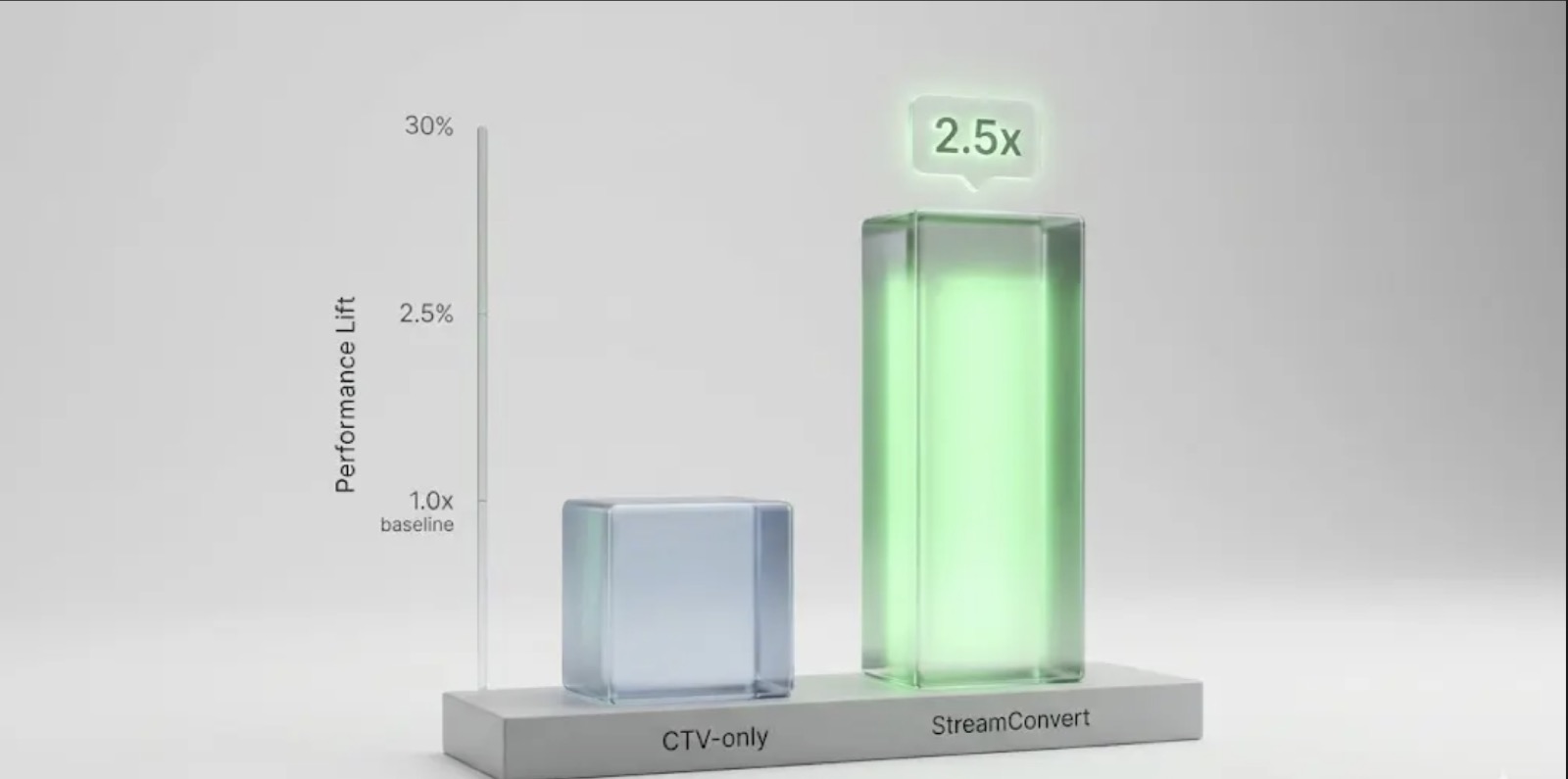
The advantages are measurable. Brands using AI-powered contextual targeting have seen up to 30% higher engagement than traditional demographic methods, while removing personal-data risk and improving brand safety. Challenges persist, including AI misclassification and the need to pair contextual signals with first-party data and transparent reporting.